
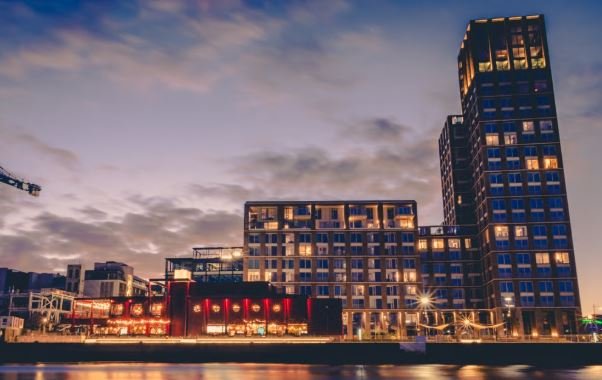
Ireland’s property and construction sectors are undergoing an important transformation. Sustainability is becoming a central part of how buildings are designed, developed and managed. From energy-efficient homes and modern office spaces to recycled construction materials and low-carbon building methods, the industry is gradually moving towards a greener future.
This shift is not being driven by environmental concerns alone. Government climate targets, changing building regulations, rising energy costs and growing demand for efficient properties are creating new commercial opportunities across the sector.
For property developers, investors, construction companies and material suppliers, green construction is becoming an important area of business growth. Companies that can deliver sustainable solutions while managing costs and maintaining quality could be well positioned as the market develops.
Government Climate Targets Are Reshaping Construction
Ireland’s climate ambitions are having a growing influence on the construction industry. The country has set a target of reducing greenhouse gas emissions by 51% by 2030 and achieving climate neutrality by 2050.
These objectives are encouraging changes in building design, energy performance and construction practices. Standards such as Nearly Zero Energy Building (NZEB), along with evolving European building regulations, are pushing developers to pay closer attention to the environmental impact of properties.
For businesses, sustainability is increasingly becoming a commercial and regulatory consideration rather than simply a marketing feature. Developers must consider energy performance, emissions and building efficiency from the early planning stages.
Companies that adapt to these expectations may find opportunities to work with institutional investors, commercial property owners and customers who increasingly value sustainable buildings.
Retrofitting Existing Buildings Opens a Major Market
One of the most promising areas of Ireland’s green building market is the renovation of existing properties.
Many older homes and commercial buildings were constructed before modern energy-efficiency standards became common. Poor insulation, outdated heating systems and air leakage can lead to higher energy consumption and operating costs.
Retrofitting can address these problems without requiring every building to be demolished and replaced. Projects may include improved insulation, upgraded windows, better ventilation, airtightness improvements and the installation of heat pumps.
This creates demand for specialist contractors, electricians, insulation providers, energy assessors and renovation companies. Support programmes from the Sustainable Energy Authority of Ireland (SEAI) also form part of the wider retrofit landscape.
For property owners, improvements can mean lower energy bills and better indoor comfort. For businesses, the growing need to upgrade existing buildings represents a substantial area of potential work.
Energy-Efficient Buildings Are Becoming More Attractive
Energy performance is playing a greater role in property development and investment decisions.
New residential and commercial projects are increasingly incorporating solar panels, heat pumps, high-performance insulation, efficient lighting and smart energy management systems. Some developments are also adopting Passive House principles to reduce heating and cooling requirements.
These features can help lower energy consumption and improve the experience of occupants. They may also make buildings more resilient as energy standards and operating-cost expectations change.
For investors, energy-efficient properties can offer potential advantages through lower running costs and reduced exposure to future regulatory changes. Developers, meanwhile, need to consider these features early in the design process to avoid expensive changes later.
The commercial opportunity is therefore not limited to building greener properties. It also extends to supplying and installing the technologies that make them more efficient.
Low-Carbon Building Materials Create New Opportunities
Construction materials have a significant influence on the environmental impact of a building. Traditional materials such as concrete and steel can generate substantial emissions during production and transportation.
As a result, interest is growing in alternatives that may reduce the carbon footprint of construction. These include recycled aggregates, recycled steel, responsibly sourced timber, cross-laminated timber, hemp-based materials and natural insulation products.
This shift creates opportunities for manufacturers, distributors and specialist suppliers. Businesses that can provide dependable products, consistent quality and clear information about environmental performance may become increasingly valuable to developers.
However, sustainable materials must also meet practical requirements around durability, safety, availability and cost. Their commercial success will depend on whether suppliers can make them competitive and accessible at scale.
Circular Construction Is Changing How Businesses Manage Resources
The construction industry also faces growing pressure to reduce waste and use resources more efficiently.
Circular construction focuses on keeping materials in use for longer rather than treating them as disposable. This can involve reusing building components, recycling materials, designing buildings for future adaptation and recovering valuable products during demolition.
Material passports and better records of building components can help developers understand which materials are available for reuse and how they can be recovered in the future.
For businesses, this approach creates opportunities in recycling, waste recovery, material resale and specialist demolition services. It can also reduce dependence on newly manufactured materials.
Making circular construction commercially viable will require better project planning and cooperation between developers, contractors, suppliers and waste-management companies.
Modern Construction Methods Could Improve Productivity
Ireland’s housing demand has increased pressure on the construction industry to deliver projects more efficiently. Modern Methods of Construction (MMC), including modular building, timber-frame systems and off-site manufacturing, are receiving greater attention.
Under these methods, some building components are produced in factory environments before being transported to the site for assembly. This approach can help improve quality control, reduce material waste and shorten certain stages of construction.
For businesses, the expansion of MMC could create opportunities in manufacturing, building components, design technology and specialist installation.
However, wider adoption will depend on investment in facilities, workforce training, manufacturing capacity and consistent demand from developers. These methods are not a universal solution, but they could become an important part of Ireland’s construction strategy.
Green Infrastructure Is Expanding the Scope of Property Development
Sustainable development is no longer limited to the buildings themselves. The surrounding environment is also becoming an important consideration.
Features such as green roofs, rainwater harvesting, sustainable drainage systems and biodiversity-friendly landscaping can improve the environmental performance of developments.
These measures may help manage surface water, improve local environmental quality and create more attractive neighbourhoods. They also offer opportunities for landscape architects, environmental consultants and specialist construction businesses.
For commercial developers, green infrastructure can contribute to the long-term appeal and resilience of a property. It is increasingly becoming part of the wider conversation about responsible urban development.
Where Are the Biggest Business and Investment Opportunities?
Ireland’s transition towards greener construction is creating opportunities across several parts of the property supply chain.
Green building materials: Suppliers of recycled, low-carbon and bio-based materials may benefit as developers look for more sustainable construction options.
Retrofitting and renovation: Businesses offering insulation, heat pumps, window upgrades and energy assessments can target the large market of existing buildings.
Renewable energy solutions: Solar panels, smart energy systems and efficient heating technologies are becoming increasingly relevant to residential and commercial projects.
Modern construction technology: Companies involved in modular construction, timber-frame manufacturing and off-site building systems may benefit from demand for more productive building methods.
Environmental consultancy: Energy assessments, carbon measurement, sustainability certification and regulatory guidance offer opportunities for specialist service providers.
For investors, these areas provide different ways to participate in the development of the green building sector. However, returns will depend on factors such as project demand, financing conditions, operating costs and the ability of businesses to deliver practical solutions.
Challenges That Could Slow Market Growth
Despite its potential, Ireland’s green building market faces several challenges.
The initial cost of sustainable technologies, specialist materials and deep retrofit projects can be high. This may make investment difficult for homeowners, smaller developers and construction businesses with limited budgets.
A shortage of workers with the right technical skills is another concern. The industry needs professionals who understand modern building standards, energy systems and low-carbon construction methods.
Supply chains may also come under pressure if demand for specialist materials and equipment grows faster than production and distribution capacity. This could affect prices and project timelines.
At the same time, Ireland must balance higher environmental standards with the need to increase housing supply. Developers need commercially practical ways to deliver more homes without compromising on quality or sustainability.
Addressing these issues will require investment, training, innovation and cooperation across the construction industry.
The Future of Ireland’s Green Building Market
Ireland’s green building market is likely to become an increasingly important part of the country’s property and construction industries. As climate requirements evolve and energy efficiency becomes a stronger priority, developers will need to rethink how buildings are designed, constructed and maintained.
Retrofitting, low-carbon materials, circular construction and modern building methods are all expected to play a role in this transition. The business opportunities will extend beyond property development to include manufacturing, technology, renewable energy and specialist professional services.
For investors, sustainability is becoming an important factor when assessing long-term property performance, operating costs and potential regulatory risks. For construction companies, the ability to deliver efficient and environmentally responsible projects could become an important competitive advantage.
Ultimately, Ireland’s move towards greener construction is more than an environmental shift. It is creating a changing business landscape in which innovation, productivity and responsible resource use will increasingly shape the future of property development.
