
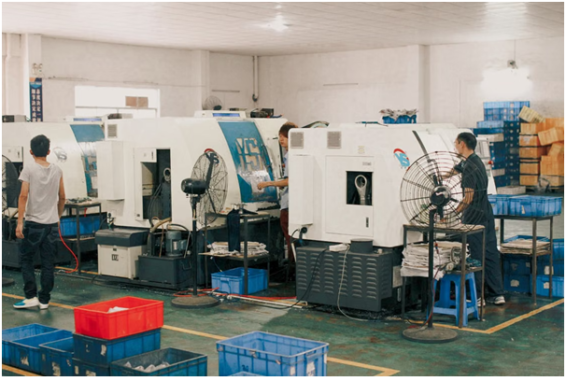
Located in the southeastern United States, North Carolina has established itself as one of the country’s major manufacturing centres. Its industrial base spans pharmaceuticals, food processing, plastics, furniture, automotive components and advanced machinery, supported by a strong network of suppliers, research institutions and skilled workers.
The scale of the sector makes it an important part of the state’s economy. North Carolina employed more than 461,000 manufacturing workers in 2025, ranking first in the Southeast and eighth nationally. Manufacturing generated approximately $111.5 billion in economic output and accounted for 95% of the state’s merchandise exports. It also represented 75% of the jobs announced through new and expanded business projects in 2025.
But the industry is entering a period of change. Manufacturers are facing growing pressure to improve productivity, control operating costs, strengthen supply chains and respond to increasingly complex customer demands. Digital technologies are emerging as an important part of that response.
Artificial intelligence (AI), robotics, connected machinery and digital twin technology are changing how factories plan production, monitor equipment and manage resources. For businesses operating in North Carolina, the transition is becoming closely linked to long-term competitiveness, investment decisions and the ability to build a more efficient manufacturing operation.
Artificial Intelligence Is Changing Factory Operations
One of the most significant developments in modern manufacturing is the growing use of artificial intelligence and digital twins. These technologies allow manufacturers to create virtual representations of physical production systems, helping them understand how operations behave and identify potential problems before they affect output.
Unilever’s manufacturing facility in Raeford, North Carolina, offers a practical example of this approach.
The company has used digital twin technology in deodorant stick production to simulate and predict 95% of process flow restrictions. The implementation has helped reduce waste by 20% and increase production capacity by 10%.
For manufacturers, such improvements have direct business value. Identifying production bottlenecks before they disrupt operations can reduce material losses, improve efficiency and make better use of existing factory capacity.
Digital twins also allow businesses to test production changes in a virtual environment before applying them on the factory floor. This can help reduce the risks and costs associated with process modifications.
As competition intensifies, the ability to use industrial data to make faster and more informed decisions is becoming an important business advantage.
Smart Factories Are Transforming Industrial Productivity
The move towards smart factories is another major part of North Carolina’s manufacturing transformation.
Traditional production facilities often depend on separate machines and systems that operate independently. Smart manufacturing connects equipment, software and production data, allowing different parts of a factory to communicate and operate more efficiently.
Through the Internet of Things (IoT), industrial machines can continuously monitor performance and provide real-time information about production conditions. This information helps businesses identify inefficiencies, monitor equipment health and anticipate maintenance requirements.
Predictive maintenance is particularly valuable because unexpected equipment failures can interrupt production, delay deliveries and increase operating expenses.
Connected manufacturing systems also provide managers with greater visibility across production lines. By analysing real-time data, businesses can improve resource utilisation, manage production schedules and respond more quickly to changing market requirements.
The commercial objective is clear: improve output, reduce downtime and make manufacturing operations more competitive.
Digital Infrastructure Is Becoming an Investment Priority
The changing nature of manufacturing is also influencing how North Carolina prepares for industrial investment.
In the past, companies evaluating a manufacturing location primarily considered land availability, road access, electricity, water and proximity to suppliers. These factors remain important, but advanced manufacturing increasingly requires reliable digital infrastructure as well.
High-speed broadband, 5G connectivity and modern electricity networks are becoming essential for factories using connected equipment, automated systems and data-driven production technologies.
This is changing the traditional concept of industrial site readiness. Locations must now be prepared not only for construction but also for the technological requirements of modern manufacturing.
The Economic Development Partnership of North Carolina has highlighted the importance of advanced manufacturing infrastructure in attracting businesses and supporting industrial development. Initiatives such as SMARTER NC are also helping local manufacturers address the costs associated with adopting smart technologies.
For companies considering new facilities or expanding existing operations, access to digital infrastructure can influence investment decisions and future operating capabilities.
Workforce Development Is Central to Manufacturing Growth
Technology is changing the skills required on the manufacturing floor. Employees are increasingly expected to work with digital dashboards, automated equipment, robotics and data-driven production systems.
This shift is creating demand for workers who can combine practical manufacturing experience with technical knowledge.
North Carolina is responding through collaboration between state agencies, community colleges and industry partners. Training initiatives such as NC Edge, alongside specialised robotics and industrial data science programmes, are helping workers develop skills relevant to modern manufacturing environments.
For businesses, workforce development is directly connected to productivity and investment returns. Installing advanced equipment alone does not guarantee better performance. Employees must be able to operate the systems, interpret production information and respond to technical problems.
The ability to attract, train and retain skilled workers will therefore remain an important factor in determining how successfully manufacturers adopt new technologies.
Technology Investment Is Expanding North Carolina’s Industrial Ecosystem
North Carolina’s wider technology and business environment is supporting the development of advanced manufacturing.
Research Triangle Park and the surrounding Raleigh-Durham region provide connections between businesses, research institutions and technology-focused organisations. These relationships can encourage innovation, support specialised talent development and create opportunities for industrial collaboration.
Technology and industrial companies are also contributing to the state’s changing business landscape. Siemens, for example, has been associated with expanding manufacturing and employment opportunities in the Raleigh area.
The development of this wider ecosystem matters because modern manufacturing depends on more than individual factories. It requires cooperation between equipment suppliers, software developers, research organisations, educational institutions and industrial employers.
For North Carolina, strengthening these connections can help attract investment and support the development of more technologically advanced industrial operations.
Industry 4.0 Is Becoming a Business Competitiveness Issue
The adoption of Industry 4.0 technologies is changing how manufacturers approach business performance. Productivity remains essential, but companies are increasingly focusing on operational flexibility, equipment reliability, data visibility and the ability to respond quickly to market demands.
Artificial intelligence can help identify production inefficiencies. Digital twins can support process optimisation. IoT systems can improve equipment monitoring, while robotics and automation can support consistent production.
Together, these technologies offer manufacturers opportunities to reduce waste, manage costs and make better use of available capacity.
For North Carolina, the opportunity lies in connecting technological progress with its established manufacturing base, industrial investment and workforce development. The state’s ability to support this transition will be important as businesses evaluate where to locate facilities, expand operations and build future production capabilities.
Digital transformation is therefore becoming more than a factory upgrade. It is increasingly a business strategy shaping the future competitiveness of North Carolina’s manufacturing sector.
