

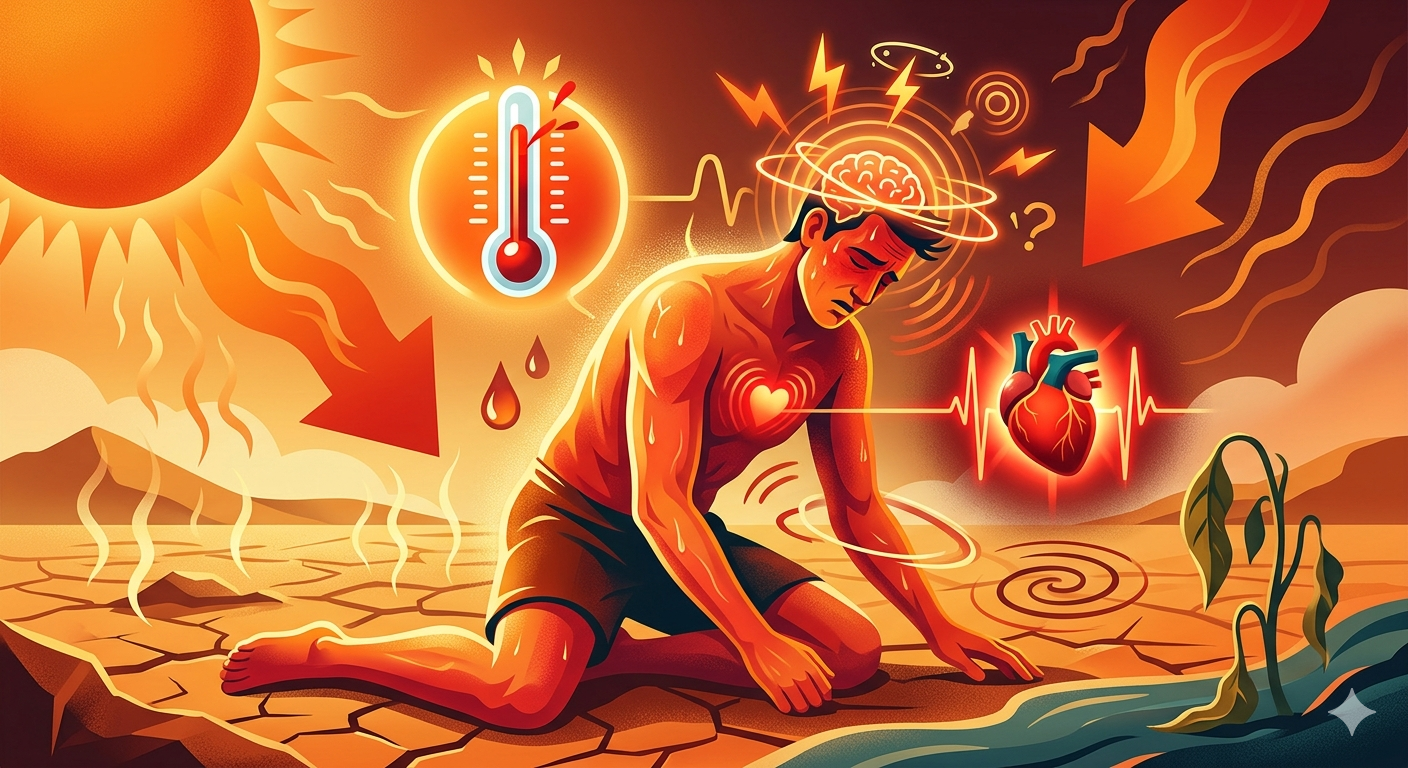
With temperatures continuing to soar across Delhi–NCR, hospitals are witnessing a significant rise in heat stroke and heat-related illnesses. An increasing number of patients are reporting symptoms such as dizziness, high fever, dehydration, vomiting, fainting, and extreme weakness. Elderly individuals, children, outdoor workers, and people suffering from chronic illnesses are among the most affected groups. Doctors say prolonged exposure to extreme heat, inadequate water intake, and electrolyte imbalance are major contributors to heat stroke. Health experts are advising people to avoid stepping outdoors during peak afternoon hours, stay well hydrated, and wear light, breathable clothing.
Dr. Imtiaz Gani Reshi, Director & Head, Emergency Medicine and Trauma Services at Yatharth Hospital Model Town Delhi, said, “The rise in heat stroke cases is primarily due to persistent heat waves, extremely high temperatures, increasing humidity levels, urban heat island effects, dehydration, and prolonged exposure to hot environments. Rapid urbanization, inadequate fluid intake, and lack of awareness about early warning signs are further worsening the situation, especially among elderly people, children, and individuals working outdoors.”
He further explained, “The highest number of heat stroke cases is being observed among elderly people, children, outdoor laborers, traffic personnel, and patients with pre-existing chronic illnesses. However, in recent years, even healthy young adults exposed to prolonged heat are increasingly getting affected.”
During peak summer and heatwave conditions, OPDs are witnessing a noticeable daily rise in patients with symptoms of dehydration, heat exhaustion, and heat stroke. Early symptoms include excessive sweating or suddenly hot and dry skin, extreme thirst, dizziness, weakness, headache, muscle cramps, nausea, vomiting, rapid heartbeat, confusion, irritability, and fainting. If not treated in time, these symptoms can quickly progress into a life-threatening medical emergency.
Heat stroke is a severe and potentially fatal condition in which the body loses its ability to regulate temperature. As a result, body temperature rises dangerously high and can damage vital organs. Unlike common heat exhaustion or overheating, heat stroke is a medical emergency and may present with confusion, altered mental status, seizures, or unconsciousness.
The risk of heat stroke is particularly high among elderly individuals, young children, outdoor workers, traffic and construction personnel, athletes, and people suffering from chronic conditions such as heart disease, diabetes, obesity, or hypertension.
Individuals exposed to poor ventilation, prolonged sunlight, dehydration, and inadequate fluid intake are also highly vulnerable. Extreme heat and dehydration can severely impair the body’s natural temperature-regulating mechanism, leading to excessive loss of water and electrolytes. This can result in weakness, dizziness, low blood pressure, rapid heartbeat, confusion, organ dysfunction, and in severe cases, life-threatening heat stroke.
In case of heat stroke, the affected individual should immediately be moved to a cool or shaded place. Tight clothing should be loosened, and rapid cooling should be initiated using cold water, ice packs, wet towels, or fans. Fluids should only be given if the person is fully conscious. Since heat stroke is a life-threatening medical emergency, immediate medical attention is critical.
To prevent heat stroke during summers, people should consume adequate amounts of water and fluids throughout the day and avoid prolonged exposure to direct sunlight, especially during afternoon hours. Wearing light, loose-fitting, and breathable clothing, ensuring proper ventilation, and minimizing strenuous outdoor activities during extreme heat are strongly recommended. Extra caution is essential for children, elderly individuals, and outdoor workers.
Dr. Imtiaz added, “Our hospital follows standardized heat stroke management protocols for the rapid identification and treatment of heat-related emergencies. Over the past 15 days, we have been receiving 4 to 5 patients daily with complaints such as headache, nausea, dizziness, fever, irritability, diarrhoea, and excessive thirst. Fortunately, most patients sought medical advice before their condition became severe, allowing timely treatment and quick recovery. None of the patients required hospitalization.”
Sharing a public health advisory, Dr. Imtiaz said, “Drink adequate amounts of water, avoid excessive heat and direct sunlight, and wear light, comfortable clothing. Seek immediate medical attention if symptoms such as high fever, confusion, fainting, or altered consciousness develop. Special precautions are necessary for children, elderly individuals, and people working outdoors.”
Dr. Prakhar Garg, Associate Director, Internal Medicine, Yatharth Hospital Noida 110 said, “Due to the intense heatwave and continuously rising temperatures, there has been a sharp increase in cases of diarrhoea, dehydration, vomiting, and other heat-related illnesses. Currently, nearly 35–40% of patients visiting the OPD are suffering from symptoms associated with excessive heat exposure and dehydration. Over the past week alone, such cases have increased by approximately 25%, with children and elderly individuals being the most affected.
Considering the growing number of patients, the hospital has arranged additional beds, dedicated observation facilities, and adequate stocks of essential medicines.
People are advised to stay well hydrated, avoid direct exposure to the afternoon sun, and maintain proper food hygiene.”