
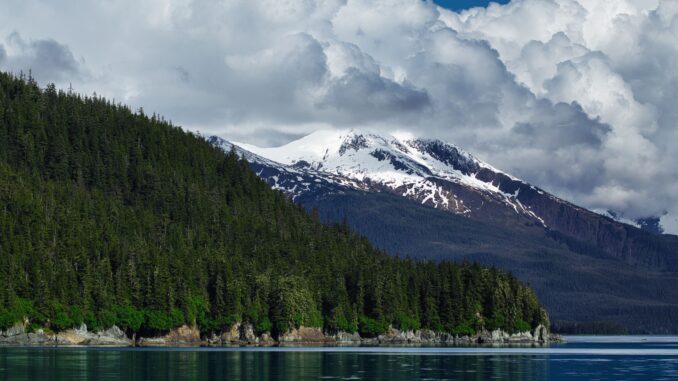
Oct 23: Imagine watching a glacier slowly move through a mountain valley, spotting whales along a rugged coastline or seeing the northern lights illuminate the night sky. Alaska offers travel experiences that feel a world away from busy cities and crowded holiday destinations.
Known as the Last Frontier, Alaska is famous for its dramatic mountains, vast wilderness, wildlife and charming coastal communities. Whether you want to explore national parks, take a scenic train journey, enjoy a glacier cruise or experience the magic of the aurora borealis, this US state offers something for every nature lover.
For travellers planning a holiday in 2026, Alaska is an appealing choice for a trip filled with outdoor adventures, scenic landscapes and opportunities to experience local culture. The key is choosing the right destinations and season to make the most of your visit.
Why Visit Alaska in 2026?
Alaska’s appeal goes beyond its spectacular scenery. Travellers can explore remote landscapes, discover Indigenous cultures, sample fresh seafood and experience the outdoors in ways that are difficult to replicate elsewhere.
Tourism figures reflect the state’s popularity. According to the Alaska Travel Industry Association, Alaska welcomed approximately 3.08 million visitors between May 2024 and April 2025, an increase of 1.1% over the previous year. The figures, compiled through research by McKinley Research Group, marked a record annual visitor volume at the time. Cruise visitors accounted for much of the increase.
For travellers, this growing interest makes advance planning particularly important during the summer months, when demand for accommodation, cruises and guided excursions can be high.
Best Places to Visit in Alaska
1. Denali National Park: Explore the Great Outdoors
Denali National Park and Preserve is one of Alaska’s most remarkable destinations. Its landscape includes forests, tundra, rivers and sweeping mountain views, with Denali itself rising to 20,310 feet (6,190 metres), making it the highest peak in North America.
The park attracts hikers, wildlife enthusiasts and photographers. Depending on the season and conditions, visitors may see moose, caribou, Dall sheep and bears.
A guided excursion can help visitors understand the area’s wildlife and fragile ecosystem. Summer is generally the most practical season for first-time visitors, although access within the park can vary. Check current park transportation arrangements before finalising your itinerary.
2. Anchorage: A Convenient Starting Point
Anchorage combines city comforts with easy access to Alaska’s natural attractions. As the state’s largest city, it offers accommodation, restaurants, museums and transport connections, making it a useful base for exploring the surrounding region.
Visitors can discover local art and history at the Anchorage Museum or walk and cycle along the Tony Knowles Coastal Trail, which offers views of the coastline and nearby mountains.
Anchorage is also a convenient starting point for trips towards the Kenai Peninsula and Denali region, depending on the time available and transport arrangements.
3. Juneau: Discover Glaciers and Coastal Beauty
Alaska’s capital, Juneau, is surrounded by mountains, waterways and temperate rainforest. The city is particularly attractive to travellers who enjoy coastal scenery and outdoor experiences.
Mendenhall Glacier is one of its best-known attractions, with designated viewpoints and trails offering different perspectives of the glacial landscape. Visitors can also book guided whale-watching trips, kayaking excursions and boat tours when conditions permit.
Juneau is not connected to Alaska’s main road network by a direct road route, so most visitors arrive by air or sea. It is a popular stop on many Alaska cruise itineraries.
4. Seward: Experience Kenai Fjords National Park
The coastal town of Seward offers access to Kenai Fjords National Park, where glaciers, steep cliffs and deep coastal inlets create a striking landscape.
Boat excursions are a popular way to explore the area, with opportunities to observe glaciers, seabirds and marine wildlife. Visitors who prefer exploring on land can also discover the Exit Glacier area when trails and access points are open.
Seward is an excellent choice for travellers who want to combine a small-town atmosphere with guided outdoor adventures.
5. Fairbanks: Look for the Northern Lights
Fairbanks is one of Alaska’s best-known destinations for viewing the northern lights, also called the aurora borealis. During the darker months, the region offers opportunities to watch colourful displays across the night sky.
Visitors can also experience dog sledding, winter activities and hot springs. In summer, long daylight hours provide more time to explore local attractions and the surrounding countryside.
Aurora sightings are never guaranteed, as cloud cover, darkness and solar activity affect visibility. If seeing the northern lights is a priority, plan to spend several nights in the region rather than relying on a single evening.
Best Time to Visit Alaska
The best time to visit Alaska depends on what you want to experience.
June to August: Best for sightseeing and outdoor adventures
Summer is the most popular season for many first-time visitors. Long daylight hours, wildlife excursions, scenic cruises and accessible hiking routes make it a practical time to explore. However, popular destinations can be busy, and prices for accommodation and tours may be higher.
April to May and September to October: Best for a quieter trip
The shoulder seasons can offer changing scenery, fewer visitors in some locations and opportunities to find better travel deals. However, some tours and services operate on reduced schedules, so check availability before booking.
Late August to April: Best for northern lights viewing
The darker months offer better opportunities to see the aurora borealis. Winter also brings experiences such as dog sledding and snow-based adventures, although visitors should prepare for cold temperatures and shorter daylight hours.
According to the official Travel Alaska tourism website, June through August is the most popular period for visitors seeking long days, wildlife viewing and a wide selection of tours. The organisation also recommends allowing enough time between destinations because travel across the state can take considerably longer than expected.
Things to Do in Alaska for a Memorable Holiday
Beyond visiting its famous destinations, Alaska offers experiences that can make a holiday particularly rewarding.
Take a glacier cruise: Explore coastal waters and admire towering ice formations on a guided boat trip.
Go wildlife watching: Look for whales, moose, bears and other native species with responsible local guides.
Enjoy a scenic train journey: Travel through mountain valleys, forests and open landscapes while taking in views along the route.
Try dog sledding: Learn about a traditional northern activity through a guided experience, with seasonal options varying by location.
Photograph the northern lights: Choose a dark-sky location and allow several nights for the best chance of seeing the aurora.
Explore Alaska Native culture: Learn about Indigenous art, history and traditions through respectful, locally guided experiences.
Sample local seafood: Try regional favourites such as salmon and halibut at restaurants and local eateries.
Travellers should follow local wildlife guidance, respect Indigenous communities and cultural protocols, and minimise their impact on the natural environment.
What Alaska’s Tourism Growth Means for Travellers
Alaska’s visitor numbers underline the importance of planning a trip around the experiences that matter most. The Alaska Travel Industry Association’s visitor-volume research recorded approximately 3.08 million visitors during the May 2024–April 2025 period, with cruise tourism contributing significantly to the increase.
For visitors, strong demand can mean limited availability for popular summer excursions, accommodation and transportation. Booking essential arrangements early can help secure preferred dates and avoid last-minute changes.
The figures also highlight the variety of ways to explore Alaska. Cruise passengers can discover coastal communities and glacier scenery, while independent travellers can build itineraries around road trips, railway journeys and national park visits.
Rather than attempting to cover the entire state in one holiday, travellers should choose a region or a manageable combination of destinations. This approach allows more time to explore, enjoy local experiences and adapt to changing weather conditions.
A Seven-Day Alaska Itinerary for First-Time Visitors
A week is enough to experience part of Alaska without trying to cover too much ground. This suggested summer itinerary focuses on Anchorage and the Kenai Peninsula.
Suggested route: Anchorage → Seward → Kenai Peninsula → Anchorage. Travel times and activities depend on conditions and seasonal schedules.
Day 1: Arrive in Anchorage
Settle into your accommodation, explore the city centre and enjoy views of the surrounding mountains. If time permits, visit the Anchorage Museum or take a walk along the coastal trail.
Day 2: Travel towards the Kenai Peninsula
Drive or arrange transport towards Seward, allowing time for scenic stops along the way. Enjoy the coastal landscapes and spend the evening exploring the town.
Day 3: Explore Kenai Fjords National Park
Join a boat excursion to see glaciers and look for marine wildlife. Check the tour schedule and weather conditions before booking.
Day 4: Discover the Exit Glacier area
Spend time exploring accessible trails and viewpoints around Exit Glacier, subject to current conditions. Return to Seward for a relaxed evening.
Day 5: Enjoy the Kenai Peninsula
Use the day for a guided outdoor activity, additional sightseeing or a visit to another accessible coastal community. Keep the schedule flexible in case weather affects planned excursions.
Day 6: Return to Anchorage
Travel back towards Anchorage, leaving enough time for stops and unexpected delays. Enjoy a local meal or explore attractions you missed on the first day.
Day 7: Depart from Anchorage
Depending on your flight time, enjoy a final walk, visit a local shop or relax before departure.
This itinerary focuses on one region, which makes it more practical than trying to combine distant destinations such as Fairbanks and Juneau in the same short trip. Travellers interested in the northern lights should plan a separate itinerary centred on Fairbanks during the darker season.
How to Plan an Alaska Trip on a Budget
Alaska can be an expensive destination, particularly during the summer travel season. However, a few decisions can help travellers manage costs without missing the main attractions.
Book flights and accommodation early for popular travel dates.
Consider visiting during the shoulder seasons if the activities you want are available.
Focus on one region to reduce transportation costs.
Compare guided excursions and independent sightseeing options.
Check whether rail, cruise or package itineraries offer good value for your travel plans.
Keep a flexible schedule for weather-dependent activities.
Travellers should also budget for local transportation, meals, park-related expenses and travel insurance. Prices vary by destination, season and service provider, so compare current costs before confirming reservations.
Is Alaska Worth Visiting in 2026?
For travellers who enjoy nature, wildlife and outdoor exploration, Alaska offers an experience that feels distinctly different from a conventional city break or beach holiday.
Its landscapes appeal to photographers and adventure enthusiasts, while coastal towns, scenic train journeys and guided excursions offer accessible ways to explore the state. Families and couples can also plan memorable trips by choosing activities suited to their interests and comfort levels.
The most important consideration is timing. Summer is ideal for many sightseeing and wildlife experiences, while winter offers opportunities to see the northern lights. A realistic itinerary, suitable clothing and advance reservations can make the trip more comfortable and enjoyable.
Conclusion
Alaska is a destination where glaciers, mountains, wildlife and coastal communities come together to create extraordinary travel experiences. From exploring Denali National Park and sailing through the waters near Seward to searching for the northern lights around Fairbanks, each region offers a different perspective on the Last Frontier.
With tourism demand remaining strong and a wide variety of experiences available, Alaska deserves a place on the list of destinations to consider in 2026. Choose the right season, allow enough time to explore and travel responsibly to make the most of this remarkable part of North America.
