
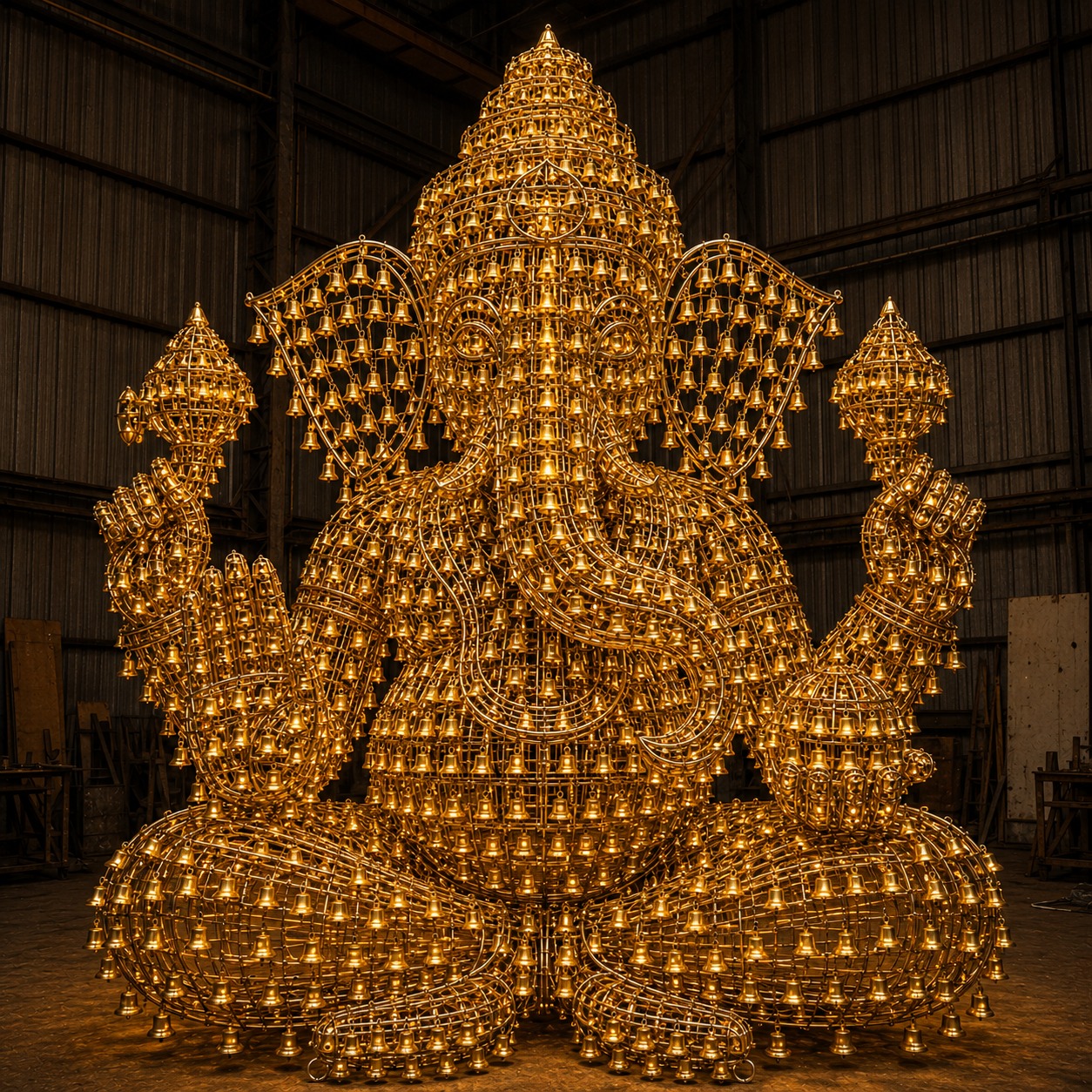
Ganesh Chaturthi is more than a major religious celebration. For thousands of small traders, artisans and local service providers, the festival also brings a seasonal rise in business activity and creates additional opportunities to earn income.
Ganesh Chaturthi will be celebrated on September 14 this year, with celebrations continuing for several days in many parts of the country. As households, housing societies and community groups prepare to welcome Lord Ganesha, demand is rising for idols, sweets, flowers, decorations, puja materials and a range of festival-related services.
One of the biggest beneficiaries is the idol-making business. Small artisans and workshops begin preparing Ganesh idols weeks in advance, with customers looking for different sizes, designs and materials. The growing preference for eco-friendly celebrations is also creating opportunities for makers of clay and other biodegradable idols.
The demand does not stop with the idol itself. Idol makers need clay, colours, decorative materials, packaging and transportation, creating business for several small suppliers and workers. Local delivery operators also benefit as idols are transported from workshops to homes, shops and community pandals.
Sweet shops and home-based food businesses also see a festive opportunity. Modak, laddoo and other traditional sweets are closely associated with Ganesh Chaturthi celebrations. Many small food businesses increase production, accept advance orders and introduce special festive packages to meet the additional demand.
The decoration market receives another seasonal boost. Customers spend on flowers, lighting, decorative fabrics, artificial flowers, banners, backdrops and other materials to prepare homes and public celebration spaces. Small decorators and event workers can earn through setting up pandals, installing lights and managing festive arrangements.
Ganesh Chaturthi also creates work for electricians, sound-system providers, photographers, transport operators, flower sellers and temporary workers. This makes the festival economy wider than retail sales, as spending by households and community groups reaches several layers of the local business ecosystem.
Digital payments and social media are further changing how small businesses participate in the festival economy. Artisans can display their idols online, sweet shops can accept advance orders through digital platforms and local decorators can promote their services through social media. This allows small businesses to reach customers beyond their immediate neighbourhood.
The festival is also opening space for environmentally conscious businesses. Interest in natural and biodegradable materials is encouraging entrepreneurs to explore eco-friendly idols and sustainable decoration products. This trend can create new opportunities for small manufacturers and artisans while supporting more responsible celebrations.
For many small businesses, festival demand can provide an important seasonal boost at a time when additional sales and short-term employment can make a meaningful difference. The economic activity generated by Ganesh Chaturthi moves through a broad network of artisans, retailers, food businesses, transporters and service providers.
The business impact of Ganesh Chaturthi therefore goes beyond the sale of idols and sweets. The festival brings together traditional craftsmanship, local entrepreneurship and modern digital commerce, creating income opportunities for businesses of different sizes.
As preparations gather pace for Ganesh Chaturthi 2026, the festival once again highlights how India’s cultural celebrations can support grassroots businesses and generate economic activity at the local level.