

Hyderabad, 21 October, 2026: India’s festive travel season is increasingly marked by concentrated passenger movement, with demand rising sharply in the days leading up to major festivals and shifting direction after the celebrations. An analysis of travel patterns of over 6 lakh passengers across key intercity corridors by Fresh Bus indicates that daily passenger volumes on high-demand routes are 30–50% higher during the festive period than in a regular week, as travellers combine visits home, pilgrimage and short leisure breaks around the holiday calendar.
The trend is particularly visible across South India, where major festive movements are shaped not only by the size of the travelling population but also by the direction of travel. Ahead of Dussehra and Diwali, corridors connecting major urban centres with Andhra Pradesh see a pronounced increase in outbound demand, as working professionals and families travel to their hometowns. The return movement then builds sharply towards Hyderabad and Bengaluru after the celebrations.
Commenting on the trend, Mr. Sudhakar Chirra, Founder & CEO, Fresh Bus, said, “Festive travel in India has always been closely linked to going home, but what is changing is how concentrated and planned that movement has become. We see demand building sharply in the two to three days before a festival, while leisure and faithcation travel are adding new layers to the traditional homebound journey. For intercity mobility providers, festive planning is therefore no longer just about adding capacity, but understanding where, when and why people are travelling, while maintaining reliability.”
Among the strongest corridors during the festive period are Hyderabad–Vijayawada, Vijayawada–Visakhapatnam and Bengaluru–Tirupati. While the first two are largely driven by homebound festive travel, Tirupati sees an additional layer of demand from pilgrimage travel. Leisure corridors are also seeing a seasonal shift, with Bengaluru–Pondicherry and Chennai–Pondicherry witnessing increased movement as travellers use extended holidays for short breaks. Bengaluru–Chennai, meanwhile, typically sees a sharper rise around Diwali as intercity travel intensifies between the two cities.
One of the clearest changes is the concentration of demand within a shorter period. Unlike regular travel, where bookings are distributed more evenly through the week, festive demand tends to peak around the two to three days before the festival, followed by a strong return surge. Evening departures are among the first to fill up, reflecting the preference of travellers to complete their workday before beginning their journey. The pattern also indicates that passengers are planning their festive travel earlier, particularly on routes where seat availability becomes constrained closer to the festival.
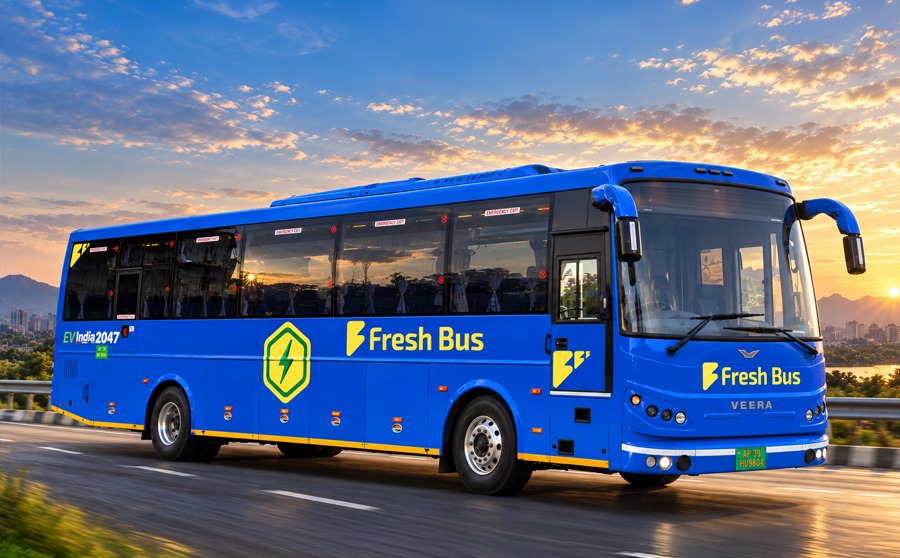
This compression of demand is also changing how intercity operators plan capacity. Fresh Bus has seen its festive inventory increase from around 30 buses last season to more than 100 buses this year, allowing additional departures to be planned around the corridors experiencing the sharpest demand.
The festive travel trends point towards a broader evolution in India’s intercity mobility landscape, where demand is becoming increasingly purpose-driven, time-sensitive and corridor-specific. The festive season brings this network into sharper focus, highlighting how bus travel supports the movement of people across destinations that are central to India’s evolving travel landscape.
