
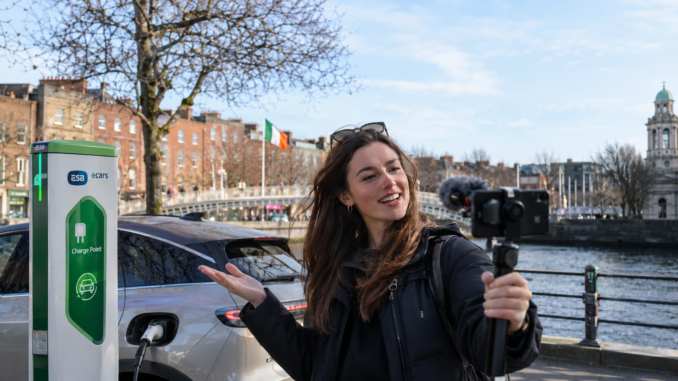
Nov 26: Ireland is changing the way it talks to consumers about electric vehicles (EVs). Instead of focusing only on environmental benefits and government incentives, a new campaign from the Department of Transport is using social media creators, expert advice and real-life driving experiences to address the questions that often influence a car-buying decision.
The timing is significant. According to the EY Mobility Consumer Index 2026, 40% of Irish car buyers surveyed intend to choose an electrified vehicle within the next two years. However, 36% identified uncertainty about charging and running costs as a barrier, while 31% were concerned about insufficient charging infrastructure in their area. These findings suggest that consumer interest is growing, but practical concerns continue to influence purchasing decisions.
Against this backdrop, Ireland’s Department of Transport has introduced a digital-first campaign under its Your Journey Counts initiative. Developed with Core and Spark Foundry, the campaign uses lifestyle creators and expert insights to make electric vehicle ownership easier to understand. Content is being shared across Instagram, YouTube, TikTok and Reddit.
The approach reflects a wider change in automotive marketing: consumers increasingly want to see how a product works in everyday life before deciding whether it is right for them.
Why Ireland Is Rethinking Electric Vehicle Marketing
For someone considering an electric car for the first time, the decision involves more than choosing a vehicle model. Questions about charging at home, finding public charging stations, battery life and the cost of longer journeys can all influence the purchase.
Although electric vehicles are becoming more common on Irish roads, not every motorist is convinced that making the switch will be convenient or affordable.
The Department of Transport’s latest campaign addresses these concerns through practical information and relatable experiences. Rather than presenting electric vehicles simply as a greener alternative, it highlights the everyday benefits and considerations of owning one.
This is an important shift. Consumers are more likely to engage with information that answers their actual questions than with advertising that focuses only on product features.
How Social Media Creators Are Changing the EV Conversation
One of the interesting aspects of Ireland’s campaign is its use of lifestyle creator Fionnuala Moran, who shares her experience of switching from a petrol car to an electric vehicle.
Her content explores everyday ownership benefits, including running costs, motor tax, pre-cooling technology, quieter driving and reduced air pollution.
For people who have never driven an electric vehicle, hearing from someone who has made the switch can make the experience feel more familiar. It also provides an opportunity to understand features that might otherwise seem technical or unfamiliar.
This is where creator-led marketing can make a difference. A short video showing how an electric car is charged or how it fits into a daily commute can communicate information in a way that traditional advertisements may not.
For automotive brands, this creates an opportunity to work with creators who can explain vehicle features through genuine experiences rather than relying entirely on promotional messaging.
However, authenticity remains important. Consumers need balanced information, realistic ownership experiences and transparent communication to make informed decisions.
Consumer Interest Is Growing, but Practical Concerns Remain
The EY Mobility Consumer Index 2026 offers a useful picture of the opportunities and challenges facing Ireland’s electric vehicle market.
The survey, which included more than 500 Irish respondents as part of a wider international study, found that:
-
40% of Irish car buyers intend to choose an electrified vehicle within the next two years.
-
15% specifically plan to purchase a battery electric vehicle.
-
36% identified uncertainty about charging and running costs as a barrier.
-
31% expressed concern about a lack of charging infrastructure in their area.
-
30% cited high upfront purchase costs as a concern.
These findings show why awareness campaigns need to go beyond simply encouraging people to buy electric cars. Consumers also need clear information about affordability, charging facilities and the practical experience of ownership.
The Central Statistics Office (CSO) provides further evidence of the market’s development. Its 2026 vehicle fleet statistics show that electric vehicles accounted for 4% of Ireland’s total licensed vehicle fleet in June 2026, representing 134,475 vehicles. More significantly, battery electric vehicles made up 24.1% of new private vehicles licensed between January and June 2026.
The difference between the overall fleet and new registrations highlights the opportunity ahead. Electric vehicles are gaining ground among new car buyers, but conventional petrol and diesel vehicles continue to dominate the existing fleet.
Why Charging Infrastructure Matters to EV Adoption
Even the most effective marketing campaign cannot overcome every practical difficulty associated with electric vehicle ownership.
For motorists without access to home charging, the availability of public charging stations can influence whether an EV is a realistic option. Drivers also want to know how quickly they can charge their vehicles and whether charging facilities are available along frequently used routes.
Ireland’s National EV Infrastructure Strategy 2026–2028 aims to expand and future-proof the country’s charging network. Transport Infrastructure Ireland has reported more than 3,620 publicly accessible charge points across over 1,200 locations.
Infrastructure development and consumer education therefore need to progress together. Information about charging locations, installation support, charging speeds and available incentives can help prospective buyers assess whether an electric vehicle suits their lifestyle.
Affordability is equally important. Purchase prices, insurance, maintenance and electricity costs all contribute to the overall ownership experience. Addressing these issues openly can help consumers move beyond assumptions and make decisions based on their actual requirements.
What the EV Campaign Means for Ireland’s Automotive and Digital Marketing Industries
The Department of Transport’s campaign also offers an example of how marketing strategies are evolving in the automotive sector.
Consumers are no longer dependent on dealerships and traditional advertisements for vehicle information. They can compare models, watch reviews, follow automotive creators and participate in online discussions before making a purchase.
This creates several opportunities for businesses operating in Ireland’s electric mobility market.
Automotive manufacturers: Electric vehicle brands can use creator partnerships to demonstrate vehicle performance, charging features and everyday convenience.
Car dealerships: Educational videos and customer experiences can help prospective buyers understand vehicle options, financing and ownership costs.
Charging infrastructure providers: Digital campaigns can explain charging locations, installation services, payment methods and available facilities.
Marketing agencies: Businesses can combine influencer marketing, search engine optimisation, video content and digital media campaigns to reach consumers at different stages of their buying journey.
Clean-energy companies: Expert-led articles and social media content can explain how electric mobility connects with renewable energy and Ireland’s wider sustainability objectives.
The opportunity is not simply to generate more online engagement. It is to build consumer confidence through useful information that supports purchasing decisions.
The Road Ahead for Electric Vehicle Adoption in Ireland
Ireland’s electric vehicle market is progressing, but the next stage will depend on how effectively the industry addresses consumer concerns.
The latest campaign from the Department of Transport recognises that people need more than statistics and promotional messages before changing the way they travel. They want to understand the costs, charging arrangements and everyday advantages of owning an electric vehicle.
By bringing together social media creators and industry experts, the campaign takes a more accessible approach to explaining electric mobility. The EY findings also underline why this matters: interest is already present, but uncertainty about charging, affordability and infrastructure continues to influence potential buyers.
As Ireland develops its EV market, creator-led communication and educational digital marketing could become increasingly important for automotive manufacturers, dealerships and clean-energy businesses.
Ultimately, the transition to electric mobility will depend not only on the vehicles available but also on how confidently consumers can make the switch.
