
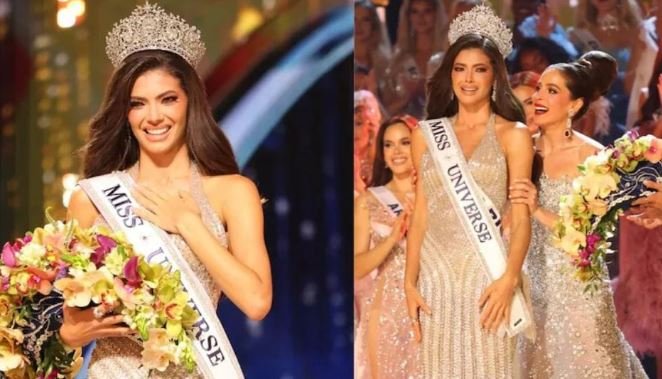
For more than seven decades, the Miss Universe competition has remained one of the world’s most recognised international beauty pageants. Every year, contestants representing countries and territories compete for a crown that brings global recognition, public attention and the responsibility of representing the Miss Universe organisation.
But what does it actually take to become Miss Universe? Is the winner selected mainly for her appearance, or do judges look for something more?
The answer lies in a competition that has gradually moved beyond traditional beauty standards. While glamour, stage presence and presentation remain important, communication skills, confidence, personality, intelligence and the ability to represent a global platform have become central to the modern pageant.
How Is the Miss Universe Winner Selected?
The selection process generally takes place over several stages. Contestants participate in preliminary evaluations before the final televised competition, where the field is narrowed down through successive rounds.
The exact format can change from year to year, but the competition commonly includes several important elements.
1. Personal interview and communication skills
The interview gives judges an opportunity to understand the woman behind the stage presentation. Contestants may be asked about their personal journeys, education, ambitions, social concerns, leadership experiences and views on global issues.
Judges can assess how clearly a contestant expresses herself, whether she communicates naturally, how she handles challenging questions and whether she demonstrates confidence without appearing rehearsed.
A strong interview performance can help a contestant stand out because the winner is expected to communicate with audiences, organisations and communities around the world.
2. Swimsuit or fitness presentation
The swimsuit segment has been a traditional part of Miss Universe for much of its history. It generally showcases confidence, fitness, posture and stage presence.
It is not simply about having a particular body shape. Contestants present themselves on stage, allowing judges to observe their confidence, composure and ability to carry themselves comfortably.
3. Evening gown competition
The evening gown round brings elegance, personal style and stage presentation into focus. Judges observe how contestants walk, carry themselves and present their chosen outfits.
The gown itself may attract attention, but the contestant’s confidence, poise and overall presentation are also important parts of this round.
4. Question-and-answer round
As the competition reaches its final stages, contestants face questions that test their ability to think and communicate under pressure.
They may be asked about leadership, equality, education, technology, social responsibility or issues affecting the world. Judges can consider the relevance of the answer, clarity of thought, confidence and the contestant’s ability to communicate a meaningful message within a limited time.
This round gives finalists an opportunity to demonstrate how they might use the Miss Universe platform and connect with a global audience.
What Do Judges Look for in a Miss Universe Winner?
There is no publicly confirmed universal scoring formula that applies identically to every edition. The organisation can adjust the competition format, and a detailed score breakdown is not always made public.
However, the qualities commonly associated with a successful contestant include:
- Confidence: The ability to present herself naturally and comfortably in front of a global audience.
- Communication: Clear, thoughtful and effective answers during interviews and question rounds.
- Personality: Authenticity, warmth and the ability to connect with people.
- Intelligence and awareness: An understanding of relevant social and global issues.
- Leadership: The ability to represent ideas, inspire others and take responsibility.
- Stage presence: Grace, composure, presentation and confidence during the different rounds.
- Purpose and advocacy: A meaningful cause or platform that the contestant can communicate and support.
Ultimately, judges are selecting someone who can represent the Miss Universe organisation beyond coronation night. The winner is expected to take on public engagements, communicate with different audiences and participate in the organisation’s activities throughout her reign.
How Has Miss Universe Changed Over the Years?
When Miss Universe began in 1952, the competition reflected the beauty standards and entertainment culture of its time. Physical appearance, swimwear presentation and evening gowns played a prominent role in how contestants were presented to audiences.
Over the decades, however, expectations surrounding women, public representation and international competitions have changed.
The pageant has increasingly placed attention on personal stories, communication, confidence, professional achievements and social advocacy. Contestants today often arrive with backgrounds in business, education, healthcare, public service, entertainment and community work.
Their ability to speak about issues that matter to them has become an important part of their public identity.
The competition has also faced criticism over traditional beauty standards and the pressure placed on contestants. These discussions have contributed to wider questions about what a modern international pageant should represent.
Marriage, Motherhood and Age: A Major Change in Eligibility
One of the most significant changes came in 2023, when the Miss Universe organisation expanded its eligibility rules to allow married women and mothers to compete.
Previously, contestants were required to be unmarried and not have children. Removing those restrictions represented a major shift in a competition that had historically imposed narrow expectations on participants’ personal lives.
The age rules also changed. Beginning with the 2024 competition, the previous upper age limit of 28 was removed, opening participation to women aged 18 and above without that former maximum age restriction.
These changes reflected a broader understanding that ambition, leadership and the ability to represent women do not disappear because someone is married, has children or is beyond a particular age.
Jennifer Barreto’s 2026 victory for Puerto Rico brought this change into the spotlight. She became the first mother to win the international Miss Universe title, marking a historic moment for the organisation and highlighting how its expanded eligibility rules have opened the competition to women with different life experiences.
Why the Final Question Can Matter So Much
The final question-and-answer segment is often one of the most closely watched parts of coronation night.
At this stage, contestants have already demonstrated their presentation and stage confidence. The question gives judges and viewers another opportunity to understand how finalists think, respond and communicate.
A memorable answer does not necessarily need complicated language or dramatic statements. It needs to address the question, demonstrate clear thinking and communicate a convincing point of view.
The ability to remain composed under pressure is also significant. A contestant may have only a short time to organise her thoughts and deliver an answer in front of millions of viewers.
That is why preparation, awareness and genuine communication can make a difference.
Miss Universe 2026: A Historic Crown for Puerto Rico
The 75th edition of Miss Universe took place on November 24, 2026, at the José Miguel Agrelot Coliseum in San Juan, Puerto Rico. A total of 116 contestants competed for the title, making the anniversary edition a major international event.
Jennifer Barreto of Puerto Rico emerged as the winner, receiving the crown from outgoing titleholder Fátima Bosch of Mexico. Melissa Núñez of the Dominican Republic finished as first runner-up, while Clara Vegas of Venezuela secured second runner-up. Bea Millan-Windorski of the Philippines placed third runner-up, and Georgia Waddington of New Zealand finished fourth runner-up.
Barreto’s victory attracted particular attention because she is a mother. Her achievement brought renewed attention to the pageant’s expanded eligibility rules and the changing expectations surrounding women who compete on the international stage.
Her professional background in psychology and social work also gave her public profile a dimension beyond traditional pageant presentation.
India’s Performance: Kaziah Liz Mejo Reaches the Top 30
India was represented by Kaziah Liz Mejo, a 19-year-old law student from Kerala, at Miss Universe 2026. She secured a place among the Top 30 contestants, progressing through the initial selection before her journey ended ahead of the Top 12 round. Although she did not reach the final stages, her appearance gave India a place among the countries represented in the competition’s first major cut. Her participation also brought attention to India’s continuing presence in international pageantry. India has won the Miss Universe title three times, with Sushmita Sen claiming the crown in 1994, Lara Dutta in 2000 and Harnaaz Sandhu in 2021. Mejo’s Top 30 finish adds another chapter to that history, even as the country continues to wait for its next Miss Universe winner.
Is Miss Universe Still Only About Beauty?
The meaning of beauty pageants has changed, and Miss Universe is part of that wider conversation.
For some viewers, the competition remains an entertainment event built around fashion, glamour and performance. For others, it provides a platform for women to share their experiences, advocate for causes and build international careers.
The modern winner is expected to do more than wear the crown. She becomes a public representative whose work may involve travel, interviews, charitable initiatives, partnerships and engagement with audiences across different countries.
That responsibility makes communication, credibility and the ability to connect with people increasingly important.
The Miss Universe crown may still begin with a spectacular night of gowns, lights and applause, but its significance now extends well beyond the stage. The competition’s evolution reflects a changing idea of what a global female representative can be: confident, articulate, accomplished and able to use her visibility for a purpose.
