
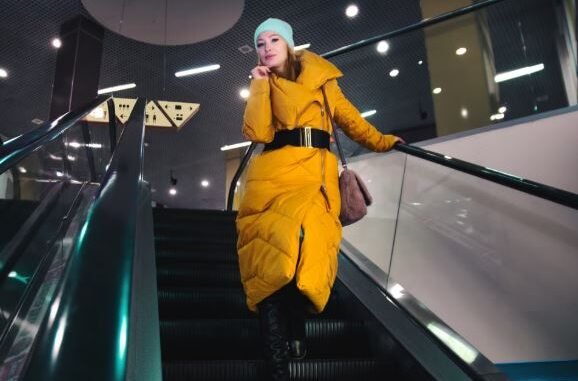
Winter 2026 is giving women’s fashion a more expressive identity. The season is moving beyond conventional cold-weather essentials, embracing oversized silhouettes, tactile fabrics and distinctive details that make even familiar wardrobe pieces feel special. From relaxed coats and architectural collars to plush faux fur, soft suede and elegant velvet, the emphasis is on clothing that combines comfort with individuality.
There is also a noticeable shift towards more thoughtful styling. Rather than relying on elaborate outfits, women are using statement pieces to transform simpler looks. An oversized coat over tailored trousers, a textured jacket paired with denim or a rich knit worn with a flowing skirt can create an outfit that feels polished without appearing overly complicated.
For the fashion industry, this change represents an opportunity to create collections that respond to a growing appetite for expressive yet wearable clothing. Retailers are increasingly required to understand not just which trends attract attention, but which ones translate into products customers genuinely want to purchase.
Oversized Coats Take the Spotlight
Outerwear is emerging as one of the defining categories of Winter 2026. Oversized coats, relaxed boyfriend jackets, longline silhouettes and softly structured trenches are bringing a confident edge to women’s wardrobes.
The appeal of oversized outerwear lies in its effortless character. Dropped shoulders, generous proportions and relaxed tailoring create a sense of ease, while carefully considered styling keeps the look sophisticated. Pairing a voluminous coat with slim trousers, a fitted skirt or streamlined boots helps balance the silhouette.
Funnel-neck jackets are another interesting direction, bringing architectural detail to winter dressing. Their sculptural collars create a distinctive appearance while offering an alternative to traditional scarves and high-neck layering.
At the more adventurous end of the trend spectrum, printed and maximalist coats are adding personality to seasonal collections. Bold florals, animal-inspired patterns, tapestry details and colour-block designs offer a striking alternative to conventional neutral outerwear.
For retailers, these styles create opportunities to develop more differentiated collections. A selection that combines timeless coats, relaxed everyday jackets and a few statement designs can appeal to shoppers with different fashion preferences and budgets. Outerwear can also become a focal point of store displays, helping retailers showcase complete looks rather than individual garments.
The Beauty of Rich Textures
Texture is playing a central role in the winter fashion story. Faux fur, shearling, suede, leather and velvet are adding depth and character to contemporary women’s clothing, giving traditional silhouettes a more luxurious appearance.
Faux fur continues to attract attention through statement jackets, soft collars and textured trims. Whether used across an entire garment or introduced through smaller details, it brings a sense of indulgence to winter dressing. Shearling-inspired finishes offer a more relaxed interpretation, particularly when paired with denim or simple knitwear.
Suede is bringing understated elegance to jackets, skirts and coordinated separates. Its soft surface and slightly vintage character make it especially appealing when styled with neutral knitwear, tailored trousers or denim. Leather and faux leather, meanwhile, offer a sharper aesthetic, creating contrast against softer fabrics.
Velvet adds another dimension through its rich finish and depth of colour. Blazers, skirts and evening separates in velvet can create an elegant look without requiring elaborate styling. The material also offers retailers an opportunity to connect winter fashion with festive and occasionwear shopping.
From a business perspective, textured fabrics help brands create stronger product identities. The material, finish and detailing of a garment can influence how customers perceive its quality and value. Retailers that offer a thoughtful mix of accessible textured pieces and more premium designs can reach different customer segments while keeping their collections visually distinctive.
Knitwear Finds a More Fashionable Expression
Knitwear remains an essential part of the winter wardrobe, but its appeal is extending beyond basic sweaters and cardigans. This season, traditional designs are being refreshed through interesting patterns, generous proportions and more distinctive styling.
Cable-knit sweaters, argyle patterns and Fair Isle-inspired designs bring a familiar winter character, while oversized cardigans and relaxed jumpers offer a contemporary interpretation of comfort dressing. Statement knit dresses and coordinated sets also provide convenient options for women who want a complete look without extensive styling.
The versatility of knitwear makes it particularly valuable for fashion retailers. Fine-gauge sweaters can work in professional wardrobes, while heavier textured designs appeal to customers seeking a more relaxed seasonal look. Offering different colours, fits and patterns can encourage repeat purchases and give shoppers more reasons to return.
For emerging brands, knitwear also provides scope for creative differentiation through distinctive patterns, detailing and fabric choices. A carefully designed collection can establish a recognisable identity without requiring an extensive product range.
Rich Colours Bring Depth to Winter Wardrobes
Winter 2026 is embracing a palette that feels warm, elegant and confident. Chocolate brown, espresso, camel, beige and charcoal provide versatile foundations, while burgundy, plum, deep purple and forest green add a richer seasonal character.
Chocolate brown is particularly effective as an alternative to conventional black, bringing warmth to coats, knitwear, trousers and accessories. Burgundy and plum introduce depth, making them attractive choices for statement pieces and occasionwear. Meanwhile, camel, beige and charcoal remain useful for creating understated combinations.
Prints are also adding personality to the season. Animal patterns, checks, florals and tapestry-inspired designs offer opportunities for more expressive dressing. For women who prefer a restrained wardrobe, a printed jacket, patterned scarf or statement accessory can introduce the trend without overwhelming an outfit.
These colour directions offer retailers considerable flexibility. Neutral shades can form the foundation of a winter collection, while richer colours and distinctive prints can be introduced to create visual interest. Coordinating products across different categories also makes it easier to present complete seasonal looks.
Layering Becomes an Art of Styling
Layering continues to be one of the most practical and stylish elements of winter dressing. However, the focus is increasingly on creating visual interest through proportion, fabric and colour rather than simply adding more clothing.
A fine knit beneath a relaxed jacket, a shirt layered under a cardigan or a structured coat worn over a simple dress can create a sophisticated combination. Mixing textures adds further depth: leather against soft knitwear, suede alongside denim or velvet paired with a clean-cut shirt.
This approach is particularly relevant in India, where winter conditions vary significantly across regions. While consumers in colder northern markets may need heavier outerwear and warmer layers, shoppers in cities with milder winters may prefer lightweight jackets, fine knitwear and versatile cardigans.
For fashion businesses, understanding these differences is essential. Collections need to reflect the climate and lifestyle of their intended customers rather than simply reproduce international winter looks.
In cities such as Bhubaneswar, where winters are generally milder, lightweight statement jackets, textured tops and fine knitwear may offer greater everyday appeal than heavy coats. This creates opportunities for brands to adapt global trends through more practical fabrics, silhouettes and styling options.
Accessories Complete the Look
Accessories are becoming an important part of the winter fashion conversation. Scarves, structured handbags, statement belts, caps, gloves and boots help bring seasonal outfits together while allowing consumers to experiment with trends without completely changing their wardrobes.
A statement belt can define an oversized silhouette, while a textured scarf can introduce colour to a neutral outfit. Structured handbags complement tailored outerwear, and boots work naturally with long coats, skirts and relaxed trousers.
For retailers, accessories also provide opportunities to increase basket value. A customer purchasing a jacket may be interested in a complementary scarf or handbag when products are presented as part of a coordinated look.
Smaller boutiques and emerging fashion labels can benefit from this category as well. A carefully selected range of bags, belts and scarves allows businesses to participate in seasonal fashion trends without making the same level of investment required for an extensive outerwear collection.
How Global Trends Are Influencing India’s Fashion Market
International fashion movements are increasingly influencing Indian consumers, particularly through digital platforms and global fashion content. However, the success of these trends depends on how effectively they are adapted to local lifestyles, weather conditions and spending preferences.
Oversized coats, velvet separates, textured jackets and statement knitwear can all find a place in Indian wardrobes, but their interpretation may differ from international winter collections. Lightweight fabrics, versatile silhouettes and styling that works with both Western and Indian clothing can make these trends more relevant to local shoppers.
Regional differences are especially important. Consumers in colder parts of northern India may prioritise warmth and insulation, while shoppers in eastern and southern markets may look for fashionable layers that suit relatively mild weather.
This creates an opportunity for Indian fashion brands to develop collections that combine global inspiration with local relevance. Contemporary jackets worn over traditional outfits, velvet pieces for festive occasions and lightweight textured layers can help expand the appeal of seasonal fashion.
For retailers, the commercial advantage comes from understanding their specific customer base. A product that performs well in one market may not generate the same demand elsewhere. Regional merchandising and thoughtful product selection can therefore play an important role in improving sales and reducing unsold inventory.
Social Media Is Redefining Fashion Discovery
Fashion discovery has become increasingly visual, with social media influencing how consumers identify trends and decide what to wear. Fashion creators, influencers, designers and everyday style enthusiasts regularly introduce new ways to combine colours, fabrics and silhouettes.
Statement coats, textured jackets and distinctive accessories are particularly suited to visual storytelling. Their impact can be communicated through styling videos, outfit inspiration and seasonal fashion edits.
For retailers, this offers an opportunity to move beyond conventional product promotion. Instead of simply displaying a jacket, brands can demonstrate how it works with different outfits. A single piece styled for work, casual outings and evening occasions can communicate versatility and make the purchase feel more worthwhile.
However, online popularity does not always translate into commercial success. Retailers need to understand which trends generate genuine buying interest rather than relying entirely on engagement figures. Customer enquiries, product performance and purchasing patterns can help businesses identify which styles deserve greater attention.
Turning Winter Trends into Business Opportunities
The winter fashion boom creates opportunities across several categories, from statement outerwear and knitwear to footwear, accessories and occasionwear. Each offers a different way for brands and retailers to connect with shoppers.
Outerwear can establish the visual identity of a collection, while knitwear provides a dependable category with broad appeal. Textured fabrics and distinctive finishes can support premium positioning, and accessories offer opportunities for complementary purchases.
The way products are presented can also influence buying behaviour. Retailers can build coordinated displays around a particular colour story or styling direction. A chocolate-brown collection, for example, might bring together a suede-inspired jacket, fine knitwear, tailored trousers and a structured handbag.
Online retailers can follow a similar approach through editorial-style product photography, outfit recommendations and curated seasonal collections. Presenting products as part of a complete fashion story helps customers imagine how individual pieces can work together.
For emerging labels and independent boutiques, the opportunity lies in creating a clear identity rather than following every trend. A focused collection built around contemporary knitwear, statement jackets or distinctive accessories can help a smaller business stand out in a competitive market.
The Importance of Smart Inventory Planning
While seasonal trends create opportunities, winter fashion also presents inventory challenges. Demand is influenced by weather, shopping patterns and the popularity of particular styles. Heavy outerwear, for example, may sell well in colder regions but remain difficult to move in markets with relatively mild winters.
Retailers need to balance established product categories with trend-led designs. Core items can provide a dependable foundation, while statement pieces can be introduced in carefully planned quantities. Monitoring sales performance and customer preferences throughout the season allows businesses to make more informed replenishment decisions.
Fabric selection, sizing and colour preferences also deserve attention. Products that look appealing in a fashion campaign may not necessarily match the everyday requirements of local shoppers. Understanding this difference can help retailers avoid excessive stock and unnecessary markdowns.
A thoughtful inventory strategy is therefore just as important as a strong fashion direction. The objective is to offer collections that feel current while maintaining commercial discipline.
The Road Ahead for Winter Fashion
Winter 2026 is bringing a more expressive approach to women’s fashion, with statement outerwear, tactile materials, rich colours and distinctive silhouettes shaping the season. Yet beneath these visible trends is a wider change in consumer expectations. Shoppers want clothing that reflects their individuality while remaining comfortable, versatile and worth the investment.
For fashion businesses, the opportunity lies in understanding this balance. Brands that combine contemporary design with local relevance, thoughtful pricing and effective merchandising can turn seasonal interest into stronger customer relationships and sustainable retail growth.
Conclusion
From oversized coats to beautifully textured layers, Winter 2026 is giving women’s fashion a more confident and elegant identity. As these trends move into everyday wardrobes, retailers have an opportunity to create collections that balance style, comfort and contemporary appeal. Ultimately, the season belongs to fashion businesses that understand not just what women want to wear, but how they want to feel in it.
