

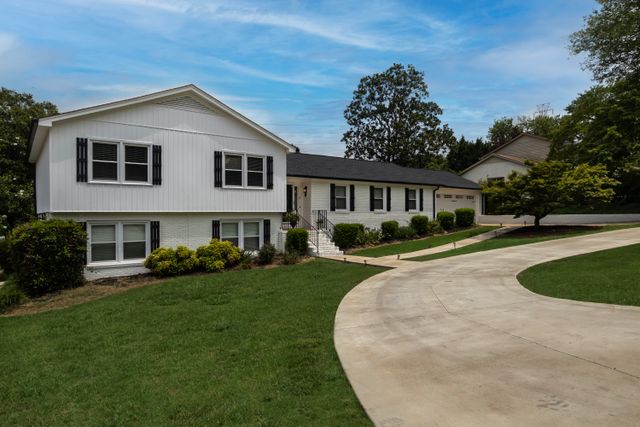
A driveway can look perfectly serviceable for years, then suddenly start demanding attention. One season brings a hairline crack, the next leaves a shallow dip near the garage, and before long, puddles are lingering where they never used to. It is tempting to judge the damage by appearance alone, but age tells only part of the story. The quality of the original installation and the ground beneath it matter just as much. For homeowners exploring Envision Concrete’s driveway work, the useful question is not simply how old the surface is, but whether it still has a solid foundation worth preserving.
Age Is a Clue, Not a Verdict
Driveways do not come with an expiration date stamped into the concrete or asphalt. Two surfaces installed in the same year can age very differently. One might have handled ordinary family traffic on well-prepared ground, while the other has spent years supporting heavier vehicles or dealing with water that drains toward the house.
That is why replacing a driveway solely because it looks dated can be a costly mistake. Faded color or minor wear may have little to do with its ability to perform. Conversely, a relatively new driveway can fail early when preparation, drainage, or installation was inadequate. The condition deserves more attention than the calendar. The real question is whether the driveway can continue doing its job without becoming a regular source of frustration.
Read the Cracks Before Choosing a Repair
A thin crack across an otherwise stable slab does not automatically call for demolition. Concrete naturally responds to temperature changes and small movements, and some surface cracks remain manageable when treated promptly. A contractor can inspect their width, pattern, and location before suggesting suitable sealing or repair methods.
The picture changes when cracks widen, sections separate, or one edge rises above another. Those details may point to settlement or movement beneath the surface. Patching the visible opening without dealing with the cause often invites the same trouble back. Repairs should address what is happening, not merely hide what can be seen from the street. That distinction can spare a homeowner from paying twice for the same problem.
Look Beneath the Surface
The most important part of a driveway is often the part nobody notices. A properly prepared base spreads vehicle loads and helps keep the finished surface stable. When the soil underneath was poorly compacted, becomes saturated, or gradually washes away, the material above can begin to sink, shift, or fracture.
Imagine fixing a loose tile without checking the floor beneath it. The improvement might look convincing for a while, but the underlying movement remains. Driveway repairs can follow the same pattern. An experienced contractor looks for hollow spots, recurring settlement, and other clues before deciding whether a localized fix will hold up.
Drainage Can Change Everything
Rainwater has a way of exposing weaknesses that sunny weather hides. A puddle near the garage door, water running toward the foundation, or erosion alongside the driveway deserves attention. Over time, moisture can weaken supporting soil and make existing damage worse, especially when freezing and thawing are part of the local climate.
Sometimes the answer is a modest adjustment, such as repairing a settled section or improving how water leaves the surface. In other cases, the slope or base may need more substantial correction. Pouring a fresh layer over a persistent drainage problem is rarely a satisfying long-term plan. The route water takes should be considered before work begins, particularly where the driveway meets paths, steps, or the house itself.
Maintenance History Matters More Than It Seems
A driveway that has received timely crack sealing, appropriate cleaning, and prompt attention to drainage problems may have years of useful service remaining. Small interventions do not make a surface indestructible, but they can prevent minor issues from growing into expensive ones. Even the way vehicles are parked and heavy loads are handled can affect wear.
On the other hand, repeated patches in the same areas raise a fair question: why does this spot keep failing? A driveway covered in old repairs may be telling a story about an unresolved base problem or widespread deterioration. Keeping track of when damage appeared and which fixes lasted gives a contractor valuable context during an inspection. Photographs from previous seasons can be surprisingly helpful, too.
Compare the Whole Cost, Not Just Today’s Quote
A modest repair bill can sound appealing beside the price of replacement. And sometimes it really is the sensible choice. When damage is isolated and the surrounding material remains strong, repairing that area preserves a serviceable driveway without paying to rebuild what still works.
But consider what happens when several more repairs are likely within the next couple of years. Multiple callouts, recurring inconvenience, and patchwork results can add up. A full replacement has a higher initial cost, yet it may offer better value when the surface and underlying support have deteriorated across much of the driveway. The fairest comparison considers expected durability, future upkeep, and disruption, not price alone. It also leaves room to consider whether the existing layout still suits the household.
What a Professional Assessment Should Include
A useful inspection goes beyond pointing at cracks and offering a quick estimate. The contractor should examine surface wear, uneven areas, drainage direction, visible movement, and the condition of joints and edges. They may also ask when the driveway was installed, whether heavy vehicles use it, and how earlier repairs performed.
Good advice should come with understandable reasoning. Which sections can be saved? What suggests the base is failing? Would a repair blend acceptably with the existing surface? A trustworthy professional explains the options, including their limitations, so a homeowner can make a decision without feeling pushed toward the biggest project.
Choose the Fix That Makes Sense for the Years Ahead
Every worn driveway presents a slightly different puzzle. A few cracks on a stable surface may need careful attention rather than a complete rebuild. Broad settlement, drainage failures, and damage returning after multiple repairs are stronger reasons to consider starting again.
The goal is not to make an aging driveway look new for a photograph and hope for the best. It is to create a safe, practical entrance that stands up to ordinary life, from morning departures to visitors pulling in after dark. With an honest evaluation and a clear plan, homeowners can spend money where it will do the most good and feel confident about the work being done.
