

Few industries are experiencing as much demographic pressure as senior care. Across the United States, the population of older adults continues to grow, and many families are seeking supportive living arrangements that balance care, comfort, dignity, and choice. At the same time, communities are facing a challenge that receives far less attention than new buildings or healthcare technology: finding and retaining enough qualified team members to meet rising demand.
The labor shortage affecting senior care is not a temporary issue. It is part of a broader shift involving workforce demographics, changing career expectations, healthcare competition, and the increasing needs of an aging population. While these pressures create challenges, they are also encouraging communities to rethink how they recruit, train, support, and retain employees. The result is a transformation that could shape the future of senior care for years to come.
Demand Is Growing Faster Than the Workforce
One of the most significant drivers of this challenge is simple demographics. The number of Americans reaching retirement age continues to increase, creating greater demand for housing, services, and support tailored to older adults.
As demand grows, communities need more team members across a variety of roles, including dining, housekeeping, maintenance, administration, and resident support services. However, workforce growth has not kept pace with this increasing need.
Senior care is not alone in facing hiring difficulties. Many industries, particularly healthcare and hospitality, are competing for the same talent pool. Applicants who might once have considered positions within senior living communities now have a wider range of employment opportunities available to them.
This competition has made recruitment more complex. Communities can no longer rely solely on traditional hiring methods. Instead, they must actively communicate the value, purpose, and long-term opportunities associated with working in senior care settings.
The Quality of Care Depends on the Quality of the Team
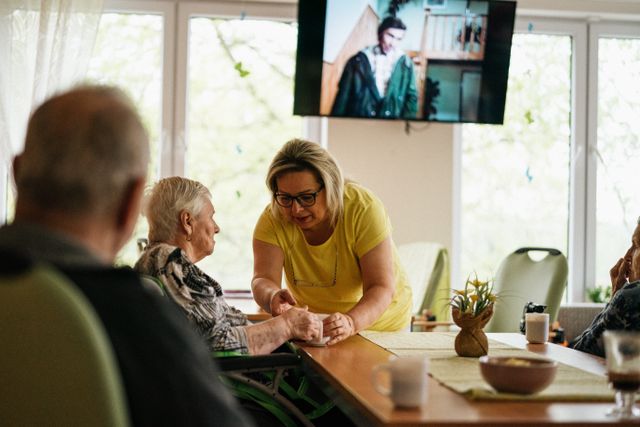
Buildings, amenities, and programs all contribute to resident experiences, but people remain the most important element of any senior living community. Residents form relationships with team members who help create a welcoming environment, encourage engagement, and support daily routines.
When staffing shortages occur, communities may face additional pressure to maintain the same level of service while operating with fewer team members. This is why employee retention has become just as important as recruitment.
Successful operators increasingly focus on creating workplace cultures that encourage long-term commitment. Competitive compensation matters, but employees are also looking for meaningful work, opportunities for advancement, supportive leadership, and a positive organizational culture.
The challenge extends beyond filling vacant positions. Communities must build teams that are engaged, well-trained, and equipped to meet resident needs consistently. Long-term stability often benefits both residents and staff by fostering familiarity, trust, and stronger relationships.
Technology Is Helping, but It Is Not Replacing Human Connection
Technology is playing a growing role in senior care operations. Scheduling systems, communication platforms, maintenance management software, and digital health tools can improve efficiency and reduce administrative burdens.
However, most senior living leaders recognize that technology is not a complete solution to labor shortages. Human connection remains one of the defining characteristics of quality care and community life.
Instead, technology is increasingly being used to support team members rather than replace them. Administrative automation can help reduce paperwork. Communication tools can streamline coordination. Digital systems can improve workflow efficiency and allow employees to spend more time interacting with residents.
Communities that successfully adopt technology often view it as a supplement to human service rather than a substitute for it. The goal is to allow employees to focus on the aspects of their work that require empathy, communication, and relationship-building.
As labor markets remain competitive, finding ways to make jobs more manageable and rewarding may become increasingly important.
Families Are Paying Closer Attention to Staffing
The labor challenge is also influencing how families evaluate senior living communities. Amenities and floor plans remain important, but many prospective residents and family members are asking additional questions about staffing stability, team training, and resident experiences.
This shift reflects a growing understanding that the people working within a community often have the greatest impact on daily life. When researching options such as Assisted Living in Hagerstown, MD, families often look beyond the physical environment and seek information about the community’s culture, level of support, and employee retention.
Many are also incorporating these conversations into broader financial preparations. Evaluating future housing and care options frequently goes hand in hand with discussions about budgeting, savings, and resources. For some households, tools and educational resources such as 2026 retirement planning can help provide context as they assess future living arrangements and long-term financial goals.
As awareness grows, communities that invest in workforce development may find themselves better positioned to attract both residents and employees.
The Industry Is Rethinking Career Development
Historically, some people viewed senior care as a short-term job rather than a long-term career. Today, many organizations are working to change that perception.
Training programs, mentorship initiatives, educational assistance, and leadership development opportunities are becoming increasingly common. Communities are recognizing that investing in employee growth can improve retention while creating stronger internal talent pipelines.
This approach benefits both employees and employers. Workers gain opportunities to develop valuable skills and pursue advancement, while organizations build more stable teams with deeper institutional knowledge.
Career development also helps attract younger workers who may be seeking more than a paycheck. Many employees are motivated by opportunities for growth, purpose, and professional development. Senior care organizations that emphasize these elements may have an advantage in a competitive labor market.
The result is a gradual shift away from viewing staffing challenges solely as recruitment problems and toward seeing workforce development as a long-term strategic priority.
Conclusion
The labor challenge reshaping senior care is rooted in powerful demographic and economic trends that are unlikely to disappear anytime soon. Growing demand for senior living services, increased competition for workers, and evolving employee expectations are all influencing how communities operate and plan for the future.
While these pressures create obstacles, they are also encouraging innovation. Communities are investing in workplace culture, career development, technology, and employee support in ways that may strengthen the industry over time. Ultimately, the future of senior care will continue to depend on the people who make communities welcoming, supportive, and engaging places to call home.