
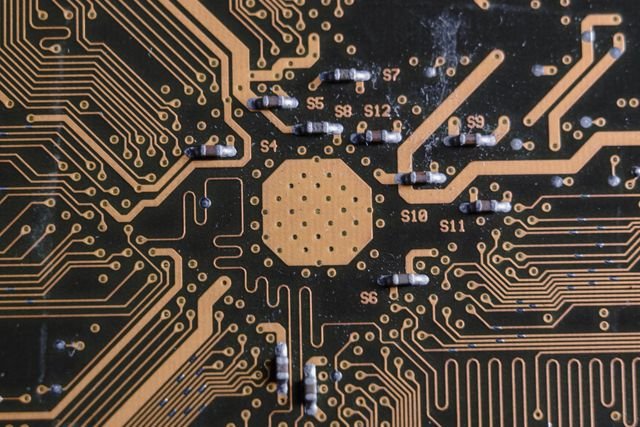
Ireland’s semiconductor industry is becoming an important driver of Europe’s technology and industrial growth, supported by advanced manufacturing, international investment and a growing research ecosystem. As demand for chips increases across artificial intelligence (AI), data centres, electric vehicles, telecommunications and consumer electronics, Ireland is strengthening its position as a major semiconductor hub. Its established manufacturing facilities, skilled workforce and connections with global technology companies are helping the country attract investment while supporting Europe’s efforts to build a more reliable technology supply chain.
Semiconductors are essential to almost every modern industry. They power computers, smartphones, vehicles, medical equipment and industrial machinery. As businesses become more dependent on digital technologies, the need for reliable chip production has become an important economic and strategic priority. For Ireland, this growing demand presents an opportunity to expand its manufacturing base, attract new businesses and create high-value employment.
Ireland Is Building a Strong Semiconductor Business Ecosystem
Ireland has developed a well-established semiconductor sector, bringing together multinational manufacturers, domestic technology companies, research institutions and specialist suppliers. The industry includes more than 130 companies, supports around 20,000 jobs and generates approximately €13.5 billion in annual exports.
This established business ecosystem gives Ireland a competitive advantage in the European technology market. The presence of international semiconductor companies has encouraged the development of local expertise in engineering, manufacturing, research and technical services. It has also created demand for businesses involved in equipment supply, industrial automation, logistics, construction and facility management.
The sector’s contribution extends beyond chip production. Semiconductor technologies support several industries, including automotive manufacturing, telecommunications, healthcare, aerospace and data infrastructure. As these sectors expand their use of advanced electronics, Ireland’s semiconductor businesses can benefit from a wider range of industrial and commercial opportunities.
Advanced Manufacturing Investment Is Strengthening Ireland’s Global Position
Advanced manufacturing is at the centre of Ireland’s semiconductor growth. The Intel manufacturing campus in Leixlip, County Kildare, is one of the country’s most important industrial assets. Its Fab 34 facility uses extreme ultraviolet (EUV) lithography, an advanced manufacturing technology that enables the production of sophisticated semiconductor chips.
In July 2026, Intel announced a €5 billion investment to upgrade its Leixlip operations and expand manufacturing capacity. The investment is aimed at meeting rising demand for processors used in artificial intelligence and high-performance computing. It also involves installing advanced manufacturing equipment, improving existing facilities and strengthening research and development activities.
The investment has significance for the wider Irish economy. Semiconductor facilities require substantial support from engineering companies, construction contractors, equipment suppliers, maintenance providers and logistics businesses. As manufacturing operations expand, these supporting industries can gain new contracts and opportunities to develop specialised services.
Large-scale investment can also strengthen Ireland’s appeal to other international technology companies. A country with established manufacturing infrastructure, experienced workers and a network of suppliers is better positioned to attract businesses looking to expand their European operations.
Europe’s Semiconductor Strategy Is Creating New Opportunities
Europe’s dependence on global semiconductor supply chains has become a major concern for governments and businesses. Disruptions in chip supplies can affect vehicle production, electronics manufacturing, industrial operations and technology services. The European Chips Act is designed to strengthen the region’s semiconductor capabilities, encourage investment and improve the security of supply.
Ireland’s manufacturing and research capabilities make it an important part of this wider European effort. Its position within the European Union provides access to the single market, while its established connections with international chipmakers support cross-border business activity.
For Irish companies, this creates opportunities to become part of a wider European industrial network. Businesses involved in precision engineering, semiconductor equipment, testing, materials, software and technical services can find new opportunities as manufacturers expand their operations.
The growth of this supply chain can also benefit small and medium-sized enterprises (SMEs). Although entering the semiconductor industry requires specialised knowledge and high standards, smaller companies can participate by providing supporting products and services to larger manufacturers.
Research and Innovation Are Creating Future Business Opportunities
The semiconductor industry depends on continuous innovation. As chips become more advanced, manufacturers need new materials, improved production methods and technologies that deliver greater performance with lower energy consumption.
Ireland is strengthening its research capabilities to support this transition. Tyndall National Institute in Cork plays an important role in research covering microelectronics, photonics, semiconductor technologies and advanced electronic systems. In January 2026, the Irish Government approved a major expansion of the institute to strengthen the country’s research infrastructure and support future innovation.
Research investment can generate commercial opportunities beyond established manufacturers. New technologies developed through university and industry partnerships can support startups, spinout companies and specialist technology businesses. These ventures may work on sensors, electronic components, advanced materials and other technologies required by modern industries.
The commercialisation of research is particularly important for Ireland’s long-term growth. It can help transform scientific developments into marketable products, attract private investment and encourage more domestic companies to participate in the global technology industry.
Startups and SMEs Are Gaining Access to the Semiconductor Ecosystem
Ireland’s semiconductor growth is also creating opportunities for smaller technology businesses. In February 2026, the country launched I-C3, its National Competence Centre in Semiconductors, to help startups and SMEs access specialised resources, training, design tools, funding pathways and pilot-line facilities.
This support can reduce some of the barriers faced by smaller businesses entering a technically demanding industry. Access to research infrastructure and specialist expertise can help companies develop products, test ideas and prepare technologies for commercial use.
A stronger startup ecosystem can also make the sector more diverse. While multinational manufacturers provide large-scale production capabilities, smaller companies can contribute through specialised innovation, software development, design services and advanced engineering.
For Ireland, encouraging more domestic businesses to participate in the semiconductor supply chain can strengthen local capabilities and ensure that the benefits of industry growth extend beyond major international companies.
Skilled Employment Is Supporting Industrial Growth
Semiconductor manufacturing requires a highly trained workforce with expertise in electronics, materials science, engineering, software, automation and research. As production technologies become more sophisticated, companies need employees who can operate advanced equipment, maintain manufacturing systems and develop new processes.
Ireland’s semiconductor strategy places strong emphasis on developing the skills required to support future industry growth. This creates opportunities for universities, technical colleges, research institutions and professional training providers to work more closely with businesses.
The employment impact also reaches beyond manufacturing facilities. Expanding semiconductor operations create demand for construction professionals, equipment technicians, logistics workers, project managers and other specialised service providers.
Developing a reliable talent pipeline will be essential to attracting further investment. For businesses, access to skilled professionals can influence production efficiency, innovation and long-term competitiveness.
Infrastructure and Supply Chain Challenges Remain
Despite its strong industrial base, Ireland faces challenges as it looks to expand its semiconductor sector. Advanced manufacturing requires significant capital, reliable energy and water supplies, specialised facilities and efficient transport infrastructure. These requirements can increase operating costs and affect the pace of new investment.
The industry also depends on international suppliers for important materials, components and manufacturing equipment. This means that global supply disruptions can still affect production, even when manufacturing facilities are located in Ireland.
Competition from other countries is another important consideration. Governments across Europe, Asia and North America are investing heavily to attract semiconductor manufacturers and research projects. Ireland will need to maintain its competitiveness through infrastructure development, innovation, skills investment and a supportive business environment.
Addressing these challenges will be important not only for large manufacturers but also for the local suppliers and SMEs that depend on a growing semiconductor ecosystem.
Ireland’s Semiconductor Industry Is Strengthening Europe’s Technology Future
Ireland’s semiconductor industry is developing into a major part of the country’s advanced manufacturing and technology economy. Investment in production facilities, research infrastructure and startup support is helping build a wider business ecosystem that connects international manufacturers with local suppliers, researchers and skilled professionals.
As demand for advanced chips continues to grow, Ireland has an opportunity to attract further investment, expand high-value employment and strengthen its contribution to Europe’s technology supply chain. The sector’s future growth will depend on its ability to combine manufacturing excellence with research, infrastructure development and stronger participation from domestic businesses.
By building on these capabilities, Ireland can reinforce its position as a leading European semiconductor hub while supporting the development of a more resilient and competitive technology industry.
