
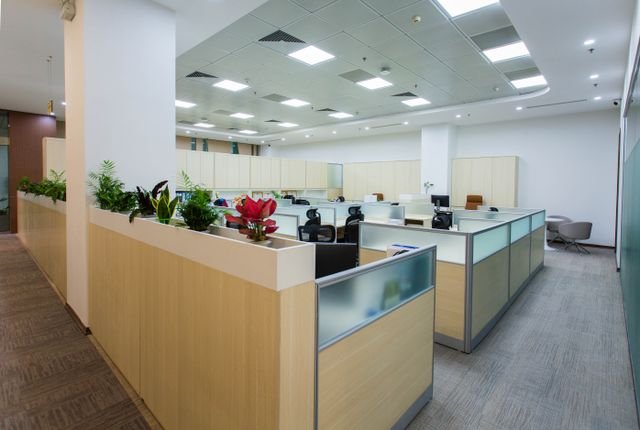
The modern business landscape has fundamentally shifted how executives view physical workspaces. Rather than treating the office as a mere overhead expense, forward-thinking organisations now view their physical environments as strategic assets. According to recent workplace reports, employee disengagement costs the global economy approximately $10 trillion annually in lost productivity. In this climate, retaining top talent and fostering a high-performance corporate culture require more than just competitive salaries. It demands a physical environment designed explicitly for how people work best today. Leaders must recognise that the workplace is an active participant in driving business outcomes, shaping everything from daily operations to long-term innovation.
Aligning Space with Modern Work Habits
The transition to hybrid work models has stabilised, cementing a new reality for corporate Australia. Data from the Australian Bureau of Statistics confirms that over a third of employed Australians usually work from home, proving this is a durable structural shift rather than a temporary anomaly. This shift means that when employees commute, they are doing so with specific intentions. Industry surveys indicate that 68% of workers cite collaboration as their primary reason for attending the workplace. They want to connect with colleagues, brainstorm ideas in real-time, and participate in a shared company culture.
Because the fundamental purpose of the office has changed, the spatial requirements have evolved alongside it. Companies are increasingly seeking professional guidance to align their real estate with these new behaviours. For example, investing in tailored Sydney based office fitouts enables businesses to move away from rigid rows of assigned desks. Instead, they can transition toward agile layouts that feature unassigned seating and purpose-built collaboration zones, ensuring the space actively supports modern, team-based work styles. This agility allows teams to reconfigure their surroundings on the fly, adapting to project needs without requiring a total redesign.
The Physical Drivers of High Performance
A successful workspace design goes beyond aesthetic upgrades. It integrates elements that directly influence human health, cognitive function, and daily performance. Incorporating natural elements, particularly daylight, is one of the most effective strategies for enhancing workplace wellness. Research from Cornell University shows that workers in daylit office environments experience a 51% drop in eyestrain and a 63% drop in headaches, making it crucial to utilise daylight to promote health and well-being throughout the floor plan. Better lighting not only reduces absenteeism but also keeps employees feeling energetic and focused through the afternoon.
To achieve optimal productivity, top-performing workplaces deliberately cater to diverse work styles. Acoustic control is another vital physical driver, as excessive noise remains a top complaint in open-plan offices. Strategic use of sound-absorbing materials can prevent distractions and elevate focus. Providing employees with a choice in where and how they work within the office ecosystem is a defining trait of exceptional work environments. A strategic redesign should include several distinct areas:
- Quiet zones dedicated to solo concentration and deep focus work.
- Open collaboration hubs for brainstorming and informal team meetings.
- Acoustically sound virtual meeting rooms to support seamless hybrid connectivity.
- Social spaces that foster a strong sense of workplace belonging and casual interaction.
Balancing Cost Efficiency with Talent Retention
Financial considerations remain at the forefront of any commercial redesign. The initial capital required for modern technology integration and sustainable features can seem significant. However, these expenses are frequently offset when businesses optimise their layouts to require a smaller, more efficient real estate footprint. Energy-efficient systems, such as automated lighting and climate control, also provide measurable long-term savings. Strategic space planning is an excellent way for organisations to reduce operating costs while simultaneously improving the daily experience of their workforce. By eliminating underutilised space, companies redirect funds into amenities that matter most to their teams.
Furthermore, the financial impact of employee turnover makes physical workspace upgrades a highly cost-effective retention strategy. In Australia, replacing a single mid-level professional can cost between 50 and 150% of the departing employee’s annual salary when factoring in recruitment, onboarding, and lost institutional knowledge. Creating an engaging environment where staff feel a strong sense of belonging directly mitigates these costs. When people are supported by their physical surroundings, their job satisfaction rises, which naturally limits turnover and protects the bottom line.
Ultimately, a well-executed office redesign is a tangible investment in business growth. By prioritising human emotion, health, and functionality, business leaders can transform their commercial spaces into powerful engines for productivity. The modern office is no longer just a place to house employees. It is a vital tool that empowers them to perform at their absolute best, driving ongoing success in a competitive market.
